Skip to content

Sinus Lift in Thailand

Give your upper back implants solid bone to sit in.

Safely rebuild the strong foundation your new smile needs. With your bone volume restored, you can move forward toward a complete set of teeth.

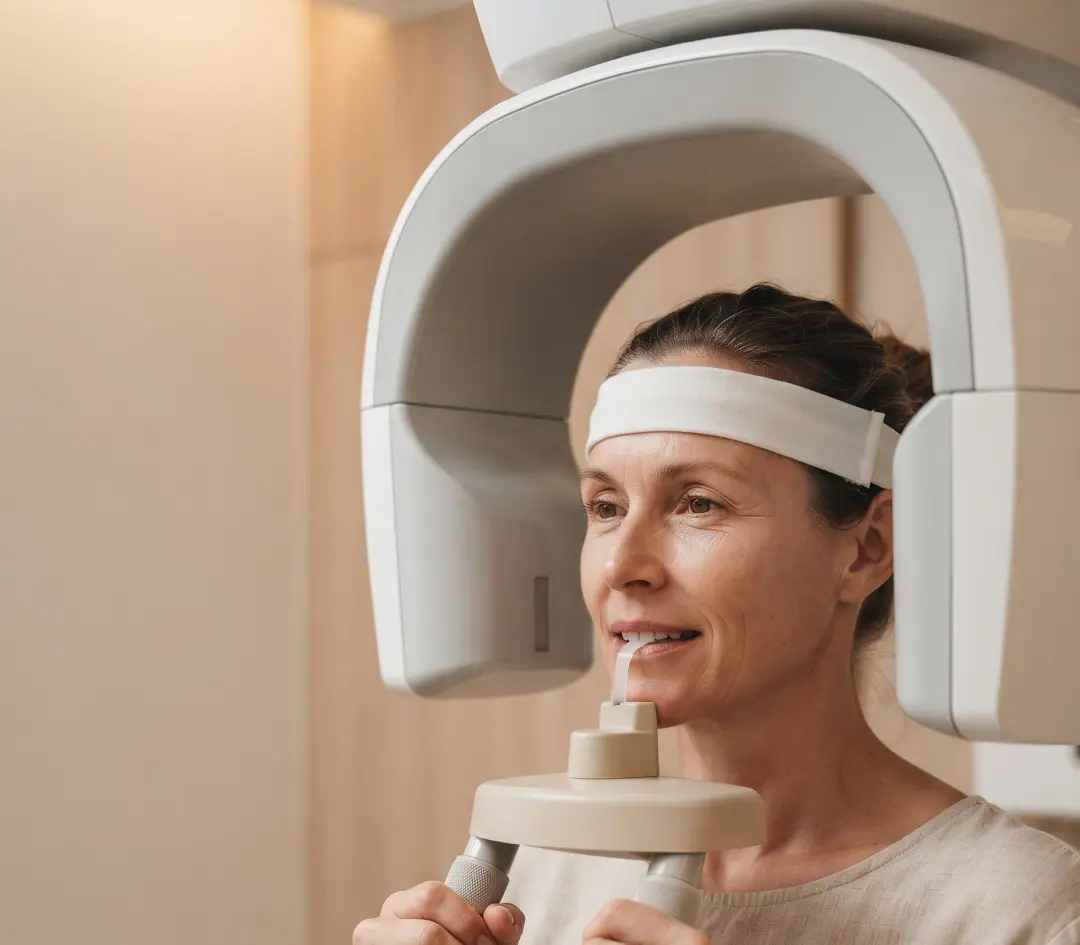
A patient rests their chin on the support of a cone beam CT scanner while the scan is taken

What a sinus lift is

A sinus lift builds up bone beneath your sinus so that your upper back jaw can support dental implants, the posts that hold replacement teeth.

Your sinuses are air-filled spaces above your upper back teeth, with a thin lining separating them from the bone below. Your dentist checks whether bone loss after tooth removal has left too little height for the planned implants. The lift raises the sinus lining to make room for a bone graft, material that acts as a scaffold your own bone grows into.

You gain a foundation for replacement teeth that can help you chew comfortably once the implant treatment is complete. The added bone is intended to provide lasting support, rather than need replacement at a fixed interval. In Thailand, sinus lift surgery is available as part of dental implant treatment for international visitors.

Graft materials include products cleared by the US FDA for sinus lifts, such as Bio-Oss and cerabone, and your dentist confirms the choice in your plan. Tell your dentist before treatment if the material's origin matters to you for personal or religious reasons.

How much it costs

In Thailand you can save 40 to 80 percent compared with prices at home, while our partners provide care of a comparable standard.

All prices are for one sinus, except the temporary tooth, which is per one denture.

About these prices

  • All prices are estimated, your doctor confirms your exact cost once they have examined you

  • Consultations, X-rays and scans are priced separately unless stated

  • Thai clinics add a small service or sterilization fee at each visit

What to expect

You usually need two or three trips to Thailand to complete the sinus lift and replacement teeth, depending on whether the implant can be placed during the lift or needs a separate visit after the graft heals.

Your first trip

  1. Meet your dentist and agree on the treatment. Your dentist examines your mouth and uses a three-dimensional CT scan to plan the surgery. You receive the exact price after this examination.

  2. Have the sinus lift. Your dentist numbs the area, reaches the sinus lining through a small window in the side of the jaw or through the opening prepared for the implant, then lifts it and usually places a graft. The implant goes in at this visit only if the existing bone can hold it firmly.

  3. Return for a surgical review. At this visit your dentist looks at how the wound is healing and takes out any stitches that need removing.

A separate implant trip, if needed

  1. Have the implant placed. Your dentist places the implant only once the graft has healed.

  2. Attend the implant review. Your dentist checks the wound and removes the stitches before you finish this visit.

Your final trip

  1. Prepare your replacement teeth. Your dentist confirms that the implant has joined firmly with your bone, then takes impressions or digital scans for the laboratory.

  2. Have your teeth fitted and checked. Your dentist attaches the replacement teeth and checks their fit and bite at a follow-up visit before you leave.

You agree the proposed stages and timeline with your dentist before surgery.

Why Thailand for dental care

Thailand is a leading destination for dental care, not only for implants and cosmetic dentistry.

  • In-house or partner dental labs, for quicker turnaround and tighter control over quality

  • Most dentists speak fluent English

  • Consultations typically include 3D scanning or digital impressions

Who it suits

A sinus lift may suit you if you want implants for missing upper back teeth and your dentist finds too little bone height below the sinus for the planned implants.

  • Bone and sinus shape: your dentist checks your bone height and sinus anatomy on the scan. In Thailand, dental centers offer three-dimensional jaw scans for implant planning.

  • Sinus health: tell your dentist about recurring sinus trouble, as active infection is treated before surgery.

  • Gums and teeth: your dentist checks for gum disease and for infected teeth near the sinus, which need attention before grafting.

  • Healing: your dentist considers diabetes control, smoking and bone-strengthening medicines, especially those given for cancer, when deciding whether surgery is suitable.

A removable denture is another way to replace missing teeth without a sinus lift; your dentist can assess whether it suits you.

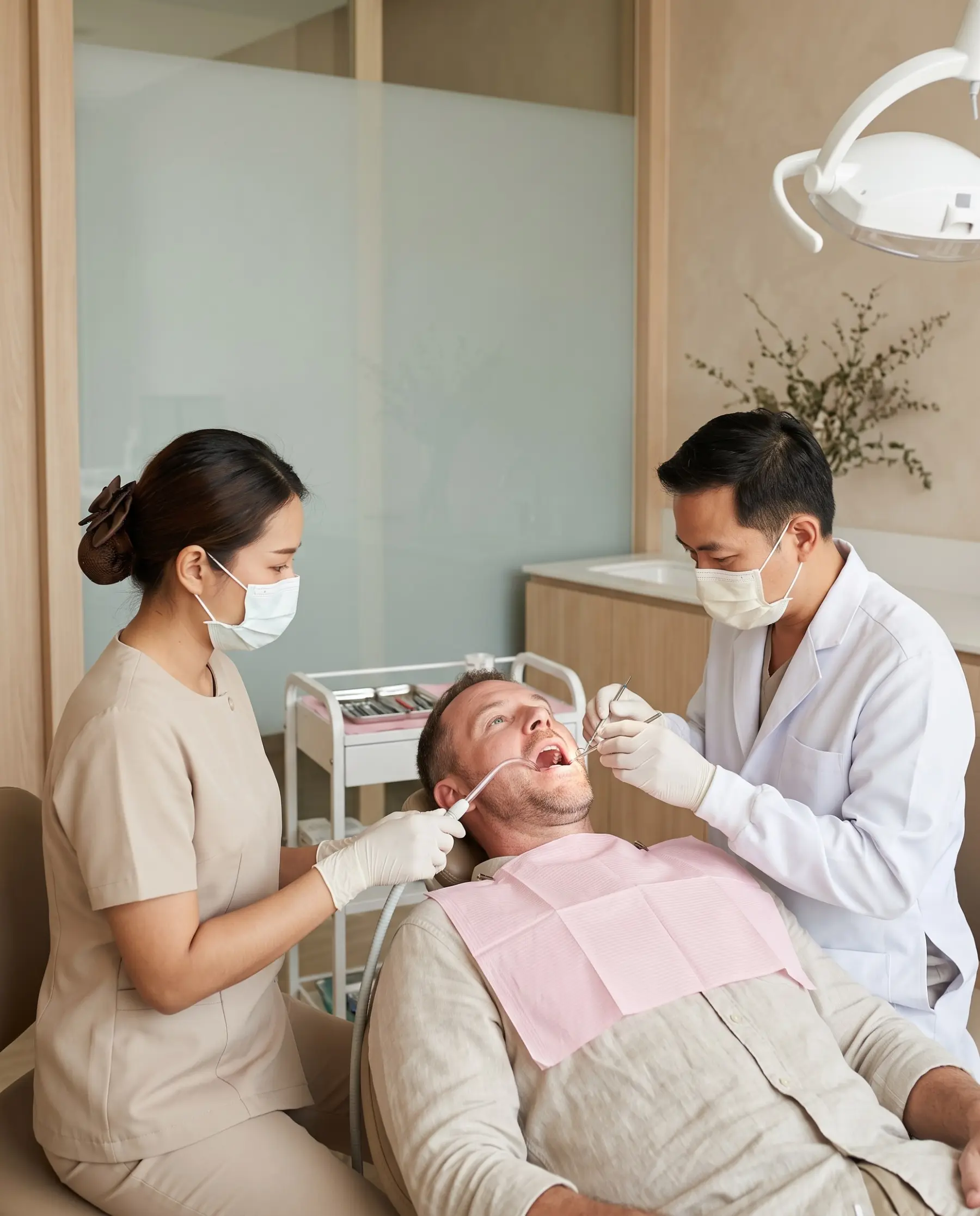
A dentist and an assistant treating a patient reclined in the dental chair.

Before your appointment

Plan your appointments, time away and budget around the full course of treatment.

  • Choose your care: our free online concierge connects you with vetted partners among Thailand's leading hospitals and dental clinics. Oral surgeons and dentists who specialize in replacement teeth on implants both work there.

  • Allow enough time: plan for the days your dentist sets in Thailand for the sinus lift visit, including the wound check before you fly, and two to three weeks for each implant visit and final fitting, with flexible travel bookings.

  • Prepare your history: the clinic will ask about your health conditions, medicines, allergies and previous surgery. Have the details ready, including medicine names and doses.

  • Confirm practical needs: tell us your preferred language and whether you will travel alone. English-language dental consultations are available in Thailand.

  • Budget for each visit: allow for flights, accommodation and any additional dental work. We can give you an estimate before examination, and our help costs you nothing extra.

  • Prepare for the day: follow your clinic's instructions about eating, drinking and medicines, with added rules, such as bringing a companion, if you are having sedation. We book your appointment and send a reminder and a short brief beforehand.

After your treatment

Your recovery plan covers the first days, the flight home and the healing needed before your next stage.

  • Early recovery: swelling is usual and bruising common after surgery, so keep the first few days quiet and follow the prescribed aftercare.

  • Protect the graft: avoid blowing your nose and sneeze with your mouth open for the period your dentist specifies.

  • Eating and cleaning: stick to soft foods initially and follow your dentist's instructions for cleaning around the wound.

  • Flying home: after your wound check and stitch removal, your dentist confirms when it is safe to fly. Make sure to leave the time they advise between sinus surgery and your flight.

  • Between stages: allow six to 12 months for healing, with checks at home as agreed with your treating dentist.

  • Long-term care: clean around your implants daily and attend regular dental reviews to protect the gum and bone supporting them.

  • Help afterwards: contact your clinic if anything worries you, or us if we arranged your treatment. We follow up and pass any concern to your treating dentist.

Keep your aftercare instructions and clinic contact details accessible while you travel and once you are home.

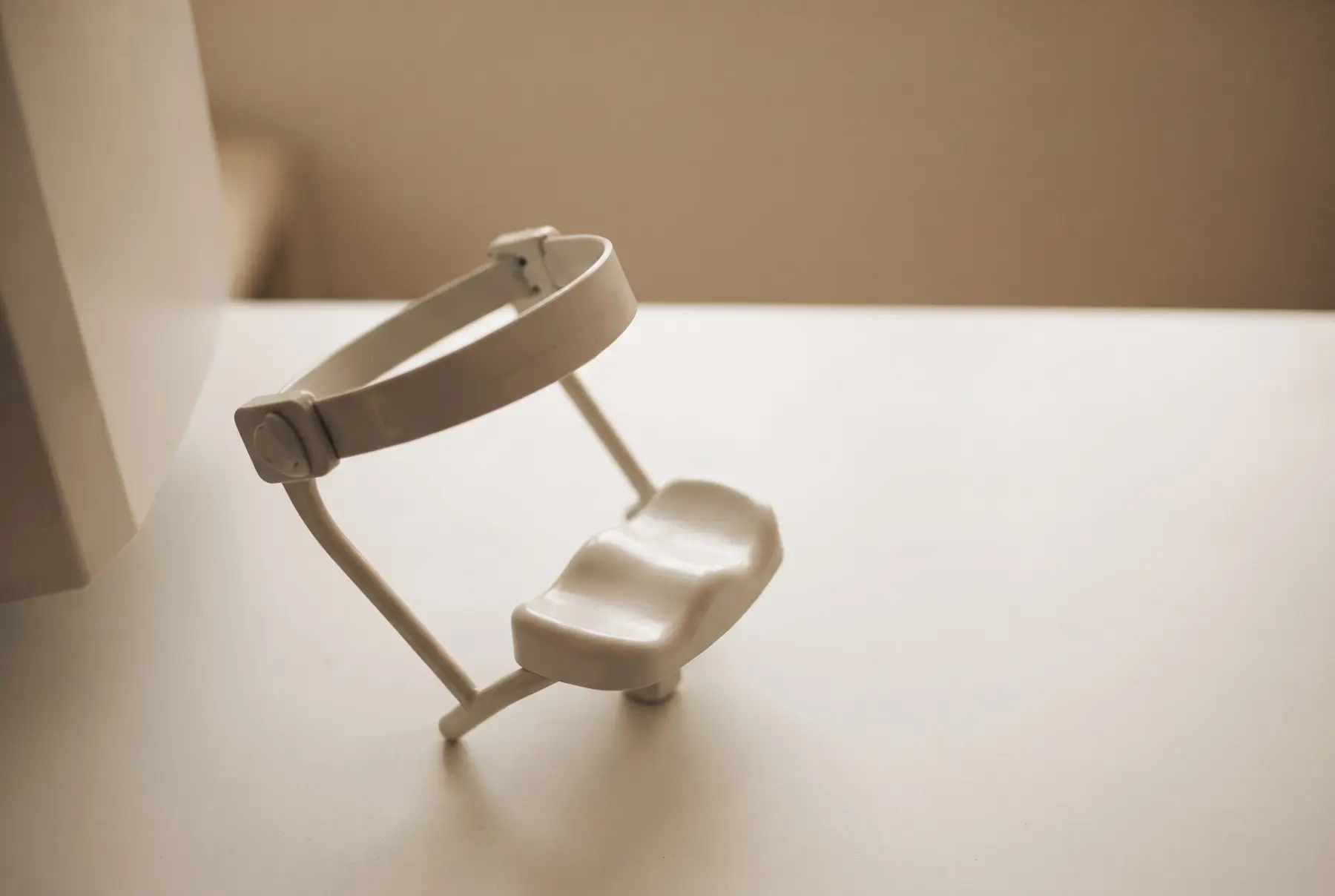
The arm of a cone beam CT scanner in a dental treatment room.

Your next step

Enjoy comfortable chewing again with our help to arrange care for your upper back teeth. *(note: rests on a sentence still waiting for evidence (#5))*

Get in touch to plan your sinus lift and implant visits: we gather what the clinic needs and work with you on which dentists to see and when.

Thank you!

We have received your request and will contact you shortly. If you don't see an automated email in your inbox in the next few minutes, please make sure to also check your "Spam" folder.

We look forward to helping you getting the best medical care in Thailand!
Form submission failed, please check the following error(s):

Questions